7 Important Things About Tires That New Drivers Misunderstand
- 23/07/2025
- news
Tires play a crucial role in ensuring your car runs safely. However, many beginners who are just starting to care for their vehicles often misunderstand how to properly use and maintain them.
This can impact your safety, comfort, and long-term costs. Today, Tire Service will guide you through some common misconceptions about tires that many beginners have, helping you care for your vehicle properly and enhance your driving safety.
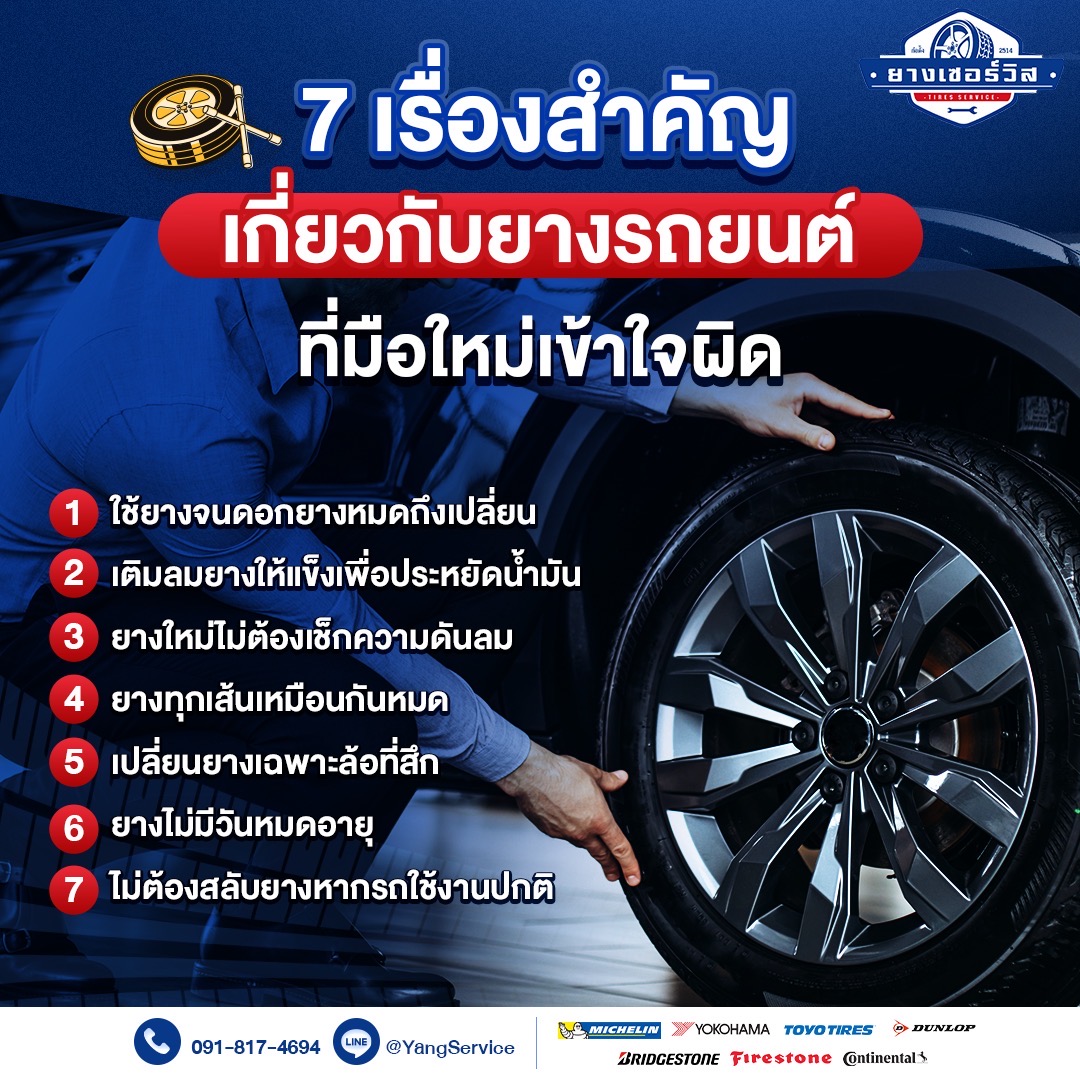
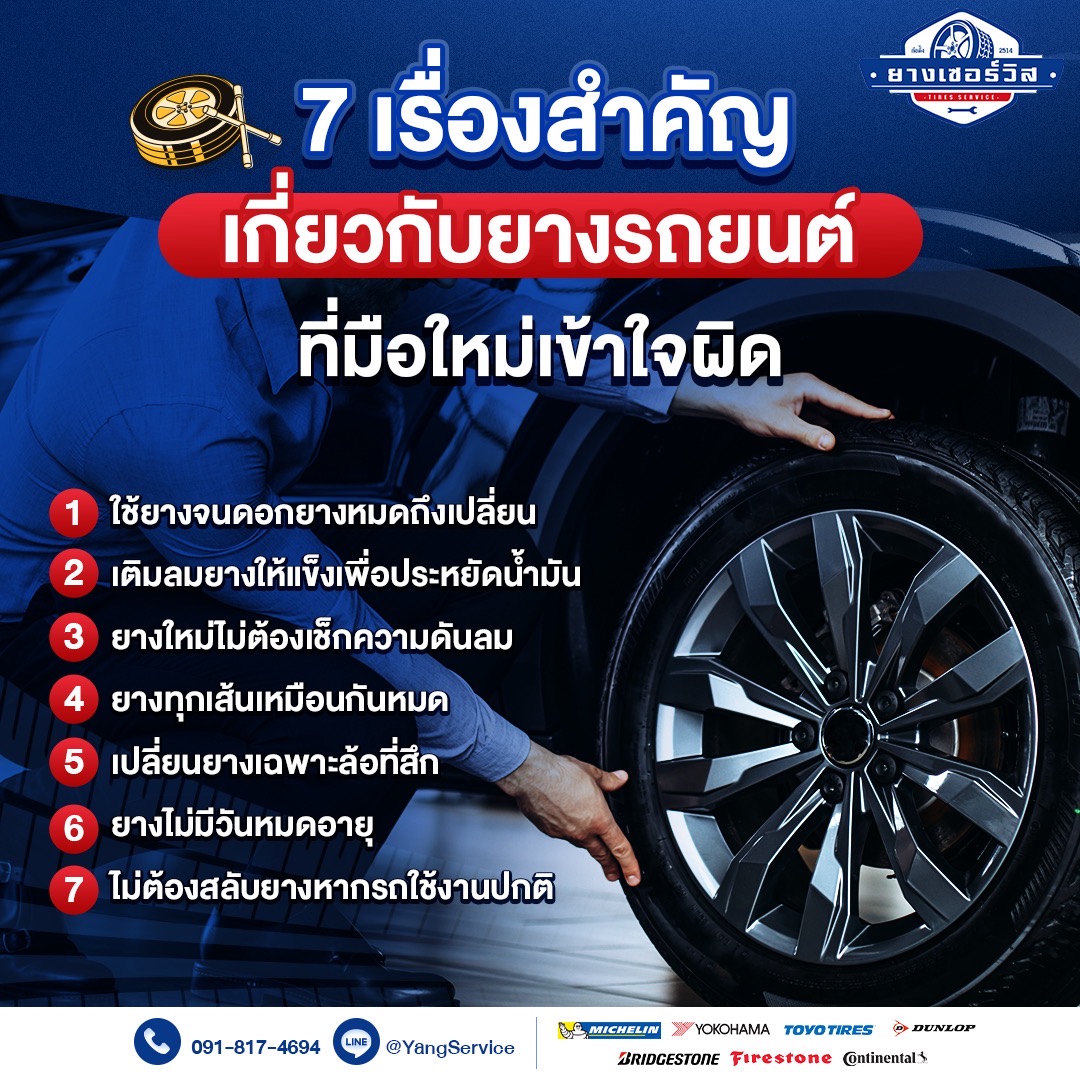
1. Waiting until the tire tread is completely worn out before replacing it
Excessive tread wear significantly reduces traction, particularly on wet surfaces, thereby increasing the risk of accidents. It is important to regularly check your tires to ensure the tread depth is no less than 2 millimeters.
2. Inflating tires to a pressure slightly above the recommended level can help improve fuel efficiency
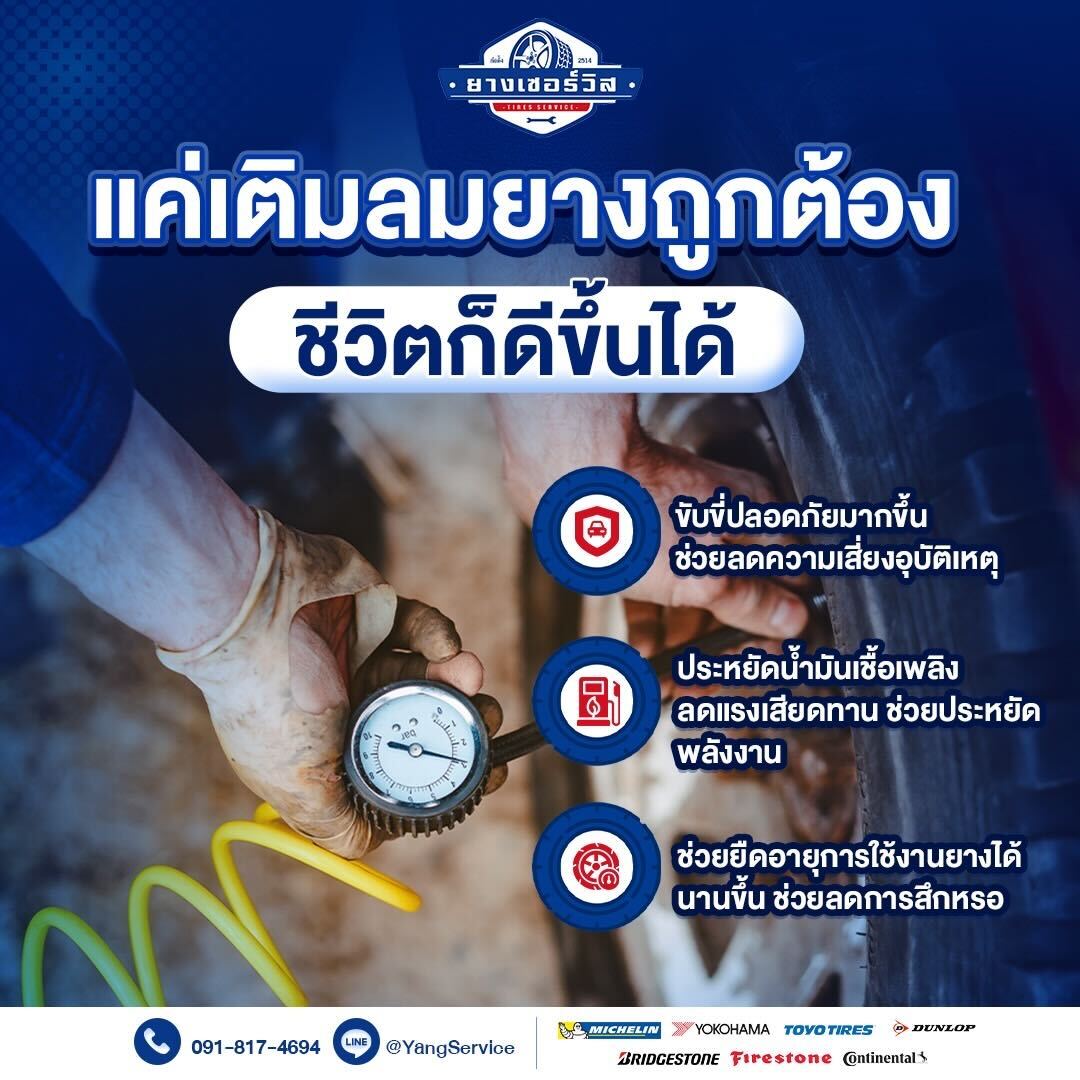
Overinflating tires can lead to uneven tread wear and a harsher ride quality. For optimal safety and fuel efficiency, it is recommended to inflate tires to the manufacturer’s specified pressure, which can be found in the owner’s manual or on the label located on the vehicle’s door frame.
3. New tires do not require air pressure checks
New tires may experience changes in air pressure during the initial period of use. Failure to monitor and adjust the pressure accordingly can lead to driving issues. It is advisable to check tire pressure regularly, ideally every two weeks, to maintain safety and performance.
4. All tires are the same.
In reality, there are various types of tires available, such as road tires, off-road tires, and all-season tires. It is important to select tires that are appropriate for the intended use—whether for city driving, long-distance travel, or navigating rough terrain—to ensure optimal performance, safety, and durability.
5. Replace tires only when they are worn
Replacing only some tires may disrupt the vehicle’s balance and increase the risk of accidents. Therefore, it is advisable to replace both tires on the same axle (front or rear) simultaneously to ensure balanced handling and safer driving.
6. Tires never expire.
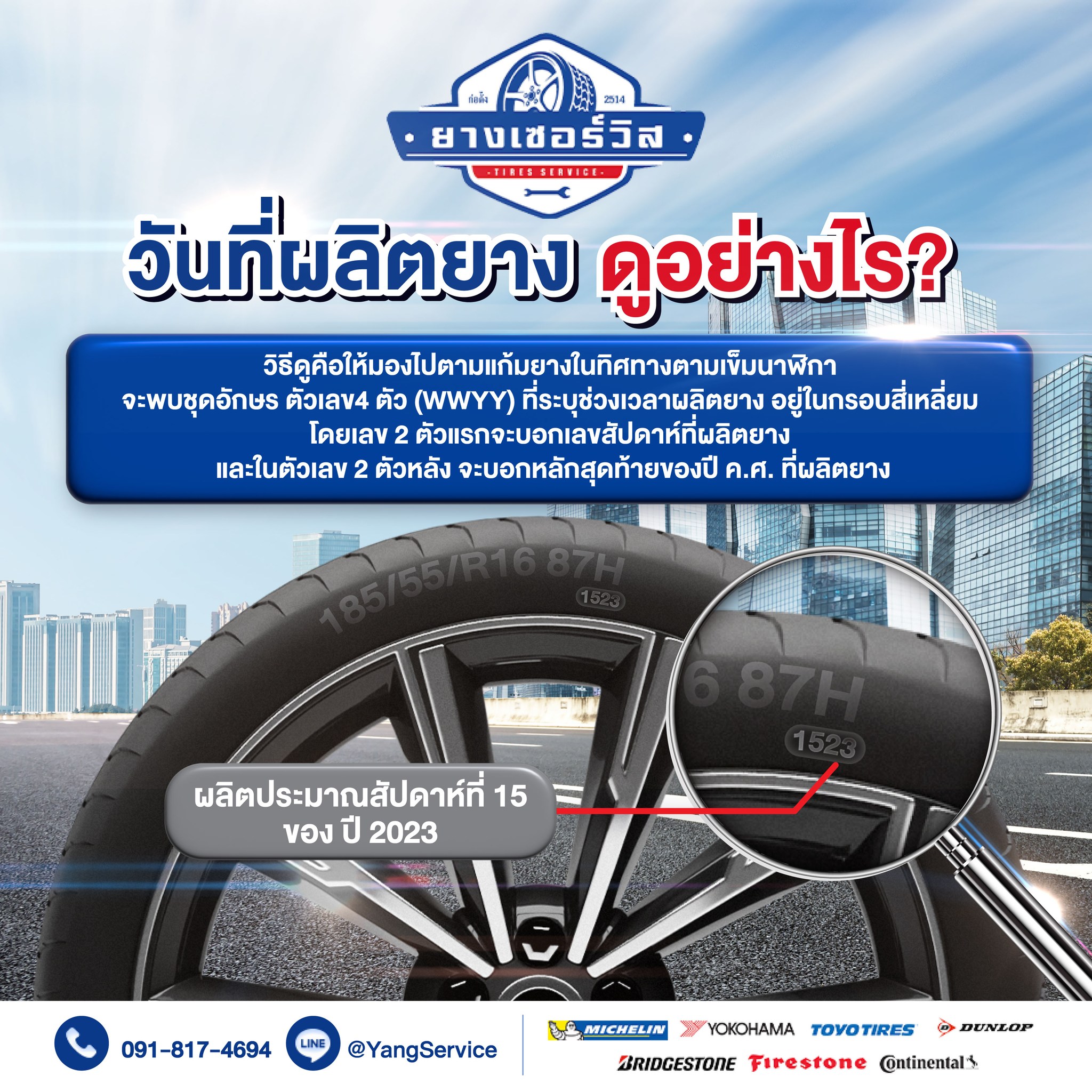
Even if the tread remains intact, tires that are older than 5 to 6 years may still deteriorate due to usage and environmental factors. It is important to check the manufacturing date, indicated by a four-digit code on the tire sidewall, and to replace the tires once they have reached the end of their recommended service life.
7. Tire rotation is not necessary.
During regular vehicle use, tires may experience uneven wear across different wheels. Failing to rotate tires can accelerate this uneven wear and reduce their overall lifespan. It is recommended to rotate tires every 10,000 kilometers or every six months to help extend tire life. Consistent tire inspection and maintenance are essential for ensuring the safety of both the driver and other road users.
When you think about tires, let “Tire Service” take care of them.